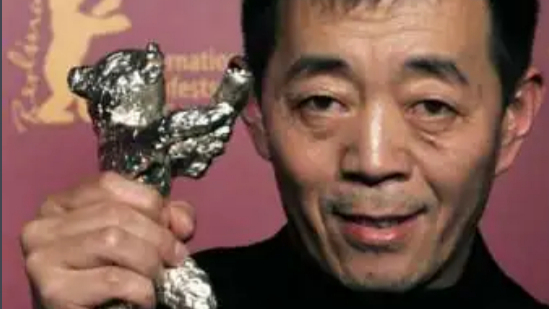
Gu Changwei
Introduction
Gu Changwei, born in 1957 in Xi'an, Shaanxi province, is a renowned Chinese cinematographer and film director. His contributions to the film industry have been significant, particularly in the realm of cinematography where he has collaborated with some of the most influential figures in Chinese cinema. Gu's work is characterized by his distinct visual style, which has earned him recognition both domestically and internationally.
Early Life and Education
Gu Changwei was born and raised in Xi'an, the capital city of Shaanxi province, known for its rich history and cultural heritage. Growing up in this historical city, Gu was exposed to a blend of tradition and modernity, which may have influenced his artistic sensibilities. His path to becoming a filmmaker began at the Beijing Film Academy, where he became part of the legendary 1982 class. This class is often credited with laying the foundation for the rise of the Fifth Generation of Chinese filmmakers, a movement that brought international attention to Chinese cinema. Gu's education at the Beijing Film Academy provided him with the technical skills and artistic insights necessary to excel in the field of cinematography.
Career
Gu Changwei's career in the film industry began after graduating from the Beijing Film Academy, where he was trained as a cinematographer. He was assigned to the Xi'an Film Studio, a decision that marked the start of his collaborations with fellow classmates Chen Kaige and Zhang Yimou, two pivotal figures in the Fifth Generation movement. Gu worked closely with them on their early films, which were instrumental in defining the aesthetics and thematic concerns of this new wave of Chinese cinema.
Filmography
As a cinematographer, Gu Changwei's filmography includes an impressive array of works that showcase his versatility and commitment to his craft. His notable collaborations with Zhang Yimou include the film Red Sorghum (1987), which is celebrated for its vibrant color palette and evocative imagery. With Chen Kaige, Gu worked on King of the Children (1987) and Farewell My Concubine (1993), the latter being particularly acclaimed for its intricate storytelling and visual splendor. Gu's talent also caught the attention of international filmmakers, leading him to work with directors such as Robert Altman on The Gingerbread Man (1997) and Anthony Drazan on Hurlyburly(1998).
Cinematography
Gu Changwei's cinematographic style is distinguished by its attention to detail and its ability to capture the emotional depth of a narrative through visual means. His work in "Ju Dou" (1990) exemplifies his skill in using color and composition to enhance the storytelling, creating a visual experience that complements the film's themes of forbidden love and societal constraints. Gu's ability to adapt his style to suit the narrative needs of diverse projects has made him a sought-after cinematographer both in China and abroad.
Directorial Works
In 2005, Gu Changwei made his directorial debut with Peacock, a film set in the 1970s and 1980s that explores the dynamics of a small family in a changing China. The film was well received, winning the Jury Grand Prix-Silver Bear at the 2005 Berlin International Film Festival, marking Gu's successful transition from cinematography to direction. His second directorial effort, And the Spring Comes (2007), continued to demonstrate his ability to craft compelling narratives that resonate with audiences. Gu also directed films such as Never Abandon, Never Give Up (2009) and Love for Life (2011), further establishing his reputation as a versatile filmmaker.
Awards and Recognition
Gu Changwei's contributions to cinema have not gone unnoticed, as evidenced by the numerous awards and recognitions he has received throughout his career. His cinematographic expertise and directorial accomplishments have earned him accolades at prestigious film festivals, enhancing his status as a respected figure in the international film community. The critical success of his directorial works, particularly Peacock, highlights his ability to engage audiences with stories that are both visually and emotionally impactful. Gu's achievements underscore his significant role in the evolution of Chinese cinema and his ongoing influence on filmmakers around the world.








